
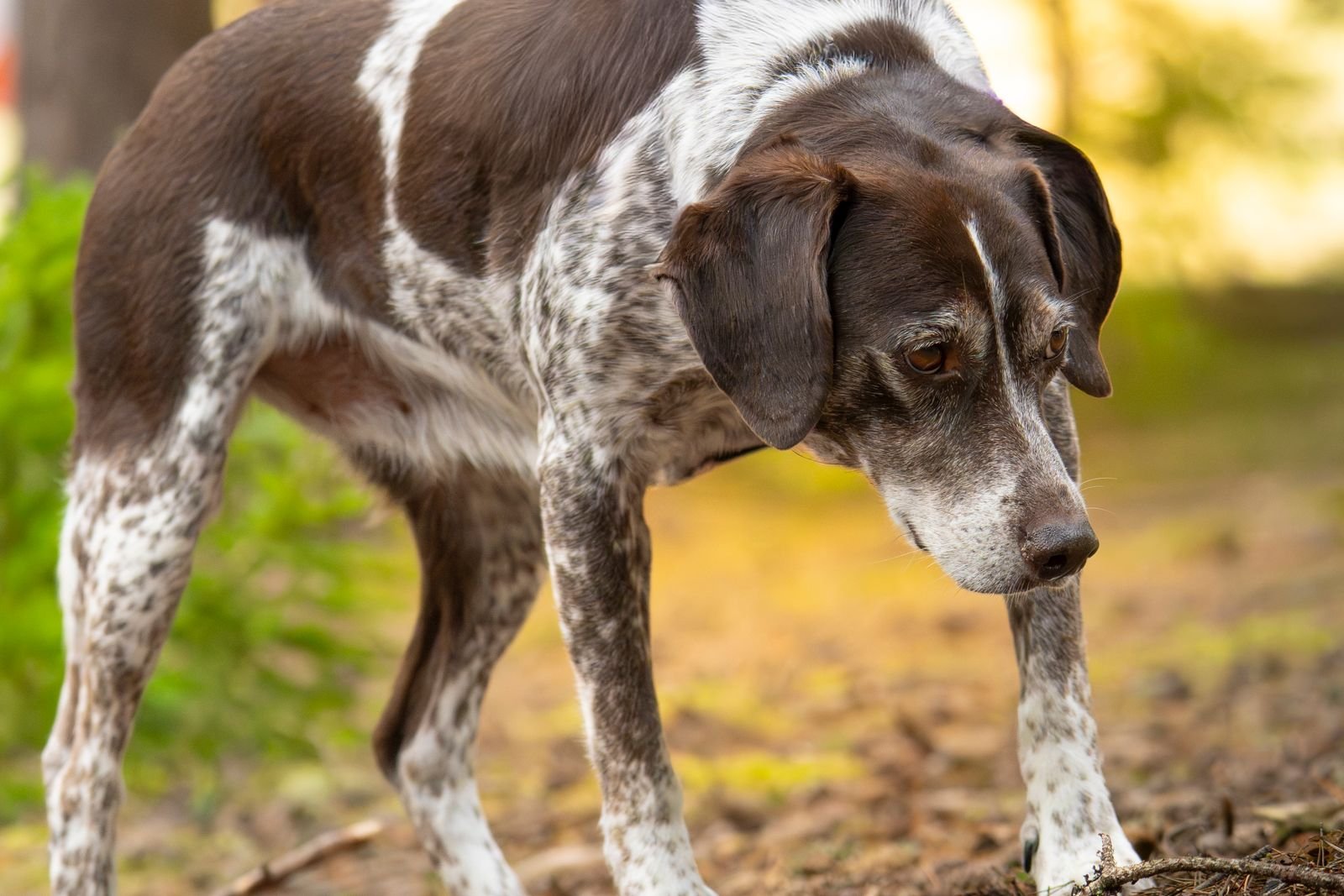
One morning you look up and the puppy who stole your socks is now twelve, sleeps eighteen hours a day, and stares at the wall. Roughly one in three dogs in the United States is now over seven, and that share keeps climbing. Small choices, made consistently, add up to a lot of extra happy months. This is the honest version of senior dog care: what actually moves the needle, what is mostly marketing, and what your vet wishes every family knew.
When Does a Dog Officially Become “Senior”?
The most common mistake is treating senior care like a switch you flip at some magic age. It is not. Aging is a per dog process, and breed size matters more than the calendar. Small breeds often act young into their early teens. Large and giant breeds (Mastiffs, Great Danes, Bernese) can show meaningful aging changes by six or seven.
Vets generally group it like this:
- Mature adult: around the last quarter of a breed’s expected lifespan
- Senior: the last 25 to 30 percent
- Geriatric: the final stage, when comfort and quality of life dominate every decision
If you are not sure where your dog sits, ask your vet. The answer depends far more on body condition, mobility, and bloodwork than on the calendar.
The Three Things That Quietly Decide How Well Your Dog Ages
Remember these three levers. They are unsexy, and that is why they work.
1. Body Condition Beats Breed Every Time
Lean dogs live longer. Multiple studies, including the lifetime work at Purina, have shown that dogs kept at a healthy, slightly lean body condition live roughly two years longer than overweight littermates. Two years. Goodbye at ten, or goodbye at twelve with most of the extra time being good.
You should be able to feel (not see) the ribs without pressing hard. From above, a visible waist. If the ribs are a mystery and the waist is gone, talk to your vet about a safe plan. Crash diets in older dogs can be dangerous. Vet visit, not internet plan, moment.
2. Movement Is Medicine
Senior dogs do not need to run five miles. They need to keep moving. Slow sniffy walks preserve muscle, protect joint cartilage, keep bowels regular, and are the single best thing you can do for cognitive health. Ten to twenty minutes, twice a day, on soft ground, is plenty for most older dogs.
Watch for the “two slowdown” sign: slow to get up and slow on walks usually means pain. Dogs hide discomfort, and that stoicism is not a virtue. It is a barrier to care.
3. The Twice Yearly Vet Visit
Once a dog is in the senior window, an annual checkup is no longer enough. Dogs age roughly five to seven human years for every calendar year, so by the time you notice a problem it has often been developing for months. A vet visit every six months catches:
- Dental disease, which affects heart, kidneys, and liver
- Early kidney or liver changes on bloodwork
- New lumps that need a fine needle aspirate, not “wait and see”
- Subtle mobility changes worth addressing before arthritis worsens
The Health Conditions That Define Senior Years
You do not need to memorize every disease, but you do need to recognize the big four. They are common, manageable, and far easier to handle early.
Osteoarthritis
By some studies, four in ten dogs over age six have meaningful arthritis. Classic signs: reluctance to jump, stiffness after rest, licking one joint, a grumpy mood. Modern options go well beyond “just rest.” Vets can talk about weight management, omega 3s, NSAIDs made for dogs (never human ibuprofen), physical therapy, hydrotherapy, and sometimes injections that support cartilage. Ramps, non slip rugs, and a supportive orthopedic bed often buy real comfort at home.
Dental Disease
Dental pain is one of the most under treated problems in older dogs, because they keep eating through it. Daily brushing is the gold standard, with dental chews as supports. Professional cleanings under anesthesia, when your vet recommends them, can add years of comfortable eating and reduce strain on heart and kidneys.
Cognitive Decline (Doggy Dementia)
Disorientation at night, staring at walls, accidents in the house, and “forgetting” routines are not laziness. They are often Canine Cognitive Dysfunction, and there are real treatments: prescription diets, SAMe, and medications that slow the slide. Bring it up early.
Kidney and Heart Changes
Both are common, both are manageable early, and both are much harder to manage late. Routine bloodwork, urine testing when indicated, and a cardiac ultrasound when recommended, are your warning system.
Buyer-Friendly Picks That Actually Help
A few well chosen tools cover most of what an older dog needs at home.
| Product | Best For | Price Range | Why It Works |
|---|---|---|---|
| Orthopedic memory foam dog bed (large) | Joint support and restful sleep | USD 90 to 180 | Even weight distribution reduces pressure on hips and elbows; a waterproof liner protects the foam. |
| Non slip runner rugs (set of 2) | Hardwood or tile floors | USD 30 to 60 | Cuts slip related falls during those slower, stiffer trips to the water bowl. |
| Pet ramp for couches and beds | Small to medium dogs who still love the sofa | USD 50 to 110 | Removes the jump that wrecks aging spines and front shoulders over time. |
| Harness with rear lift handle | Mobility support on stairs and car rides | USD 40 to 80 | A short lift under the hips turns a struggle into a smooth start; useful for dogs with hind end weakness. |
| Omega 3 fish oil (veterinary grade) | Joint comfort and coat health | USD 20 to 45 per month | Marine source omega 3s have the strongest evidence for easing inflammation in arthritic joints. |
| Slow feeder or elevated bowl | Dogs who gulp or struggle to bend down | USD 15 to 40 | Reduces bloat risk, eases strain on stiff necks, and slows eating for better digestion. |
Nutrition, Comfort, and the Small Daily Wins
Senior dogs often do best on a diet slightly lower in calories, slightly higher in quality protein. Senior specific diets are not magic, but many are well calibrated for the slower metabolism of older dogs. If your dog has kidney disease, the right diet is a genuine treatment, so ask your vet before switching.
Keep routines predictable: feeding times, walks, bed. Older brains handle sameness far better than novelty, and you will see fewer “confused at 11 pm” nights. Warmth matters more than people think: a slightly warm room and a cozy bed near where the family actually spends time will do more for an aging dog than almost any supplement on the market.
End-of-life conversations
This is the hardest section to write and the most important one to read before you need it.
The goal of senior care is not to extend life at any cost. It’s to maximize good days. When good days become the minority, it’s time to talk about euthanasia – even though it’s the conversation no one wants to have.
The HHHHHMM Quality of Life Scale is a useful framework. Score each 1-10:
- Hurt – Is breathing labored? Pain that medication can’t control?
- Hunger – Eating on their own?
- Hydration – Drinking adequately?
- Hygiene – Can they keep themselves clean? Are you managing incontinence?
- Happiness – Do they show interest in things they used to love? Are they depressed, anxious, or withdrawn?
- Mobility – Can they get up, walk outside, do their business?
- More good days than bad – track the last 2 weeks
A total above 35 generally indicates acceptable quality of life. Below 35, the conversation shifts toward timing. Below 20, it’s usually time.
Euthanasia is a gift. It’s the last act of love you can give – a painless, peaceful passing in your arms instead of a distressing death from organ failure at 3 AM. Talk to your vet early. Most offer in-home euthanasia services, which is dramatically less stressful for everyone, including the dog.
Take photos. Make videos. Take more walks than you think you should. And when the time comes, you did enough. You did more than enough.
At what age should I switch my dog to senior food?
Around 7-8 for most breeds, 5-6 for giant breeds. Senior diets are typically lower in calories (to offset reduced activity) and enriched with joint-supporting nutrients like glucosamine and omega-3s. They don’t need to be lower in protein unless your dog has kidney disease – that’s an outdated recommendation.
Should I get pet insurance for my senior dog?
Yes, even if it’s late. Pre-existing conditions won’t be covered, but new problems that arise will be. Accident-only plans are very affordable ($15-25/month) and can save you thousands in emergency care. See our pet insurance guide for the full breakdown.
How do I know when my dog is in pain?
Dogs hide pain. Subtle signs: panting at rest, restlessness, reluctance to lie down, changes in appetite, increased sleeping, irritability when touched in specific spots, “prayer posture” (front down, back up) for abdominal pain. If you suspect pain, ask your vet – most senior dog pain is treatable.
Is it normal for my senior dog to sleep so much?
Yes, but track it. Senior dogs sleep 16-18 hours a day. Sudden increases, especially with the other CCD signs above, warrant a vet visit.
Last updated: June 2026. This article is part of our Pet Parent Life series – practical, honest advice for senior dog owners. For product recommendations, see our Best Dog Food 2026 and Best Dog Beds 2026 guides.